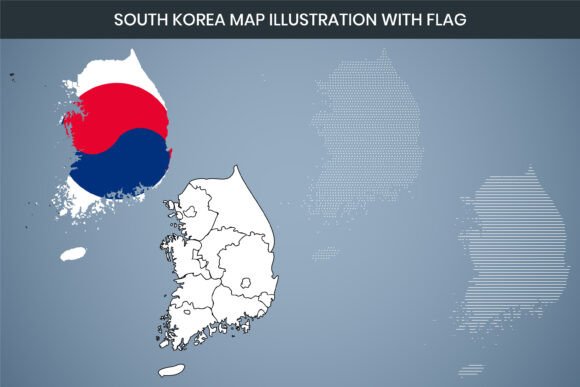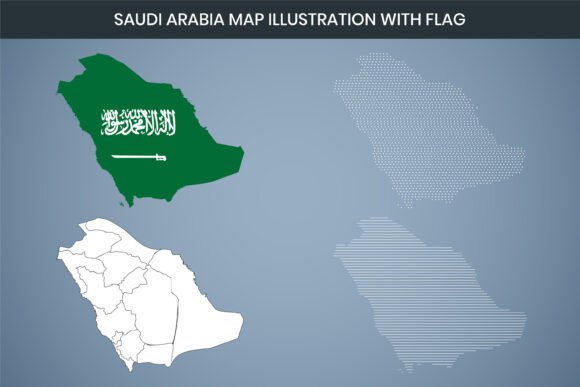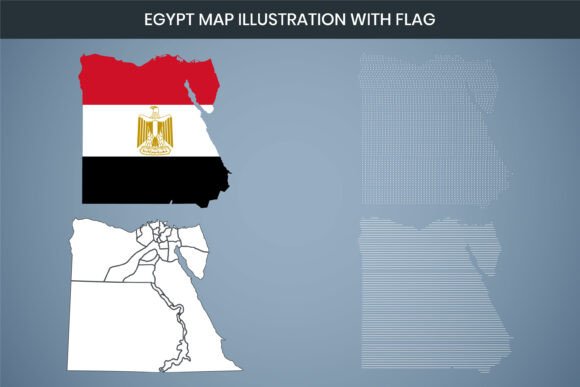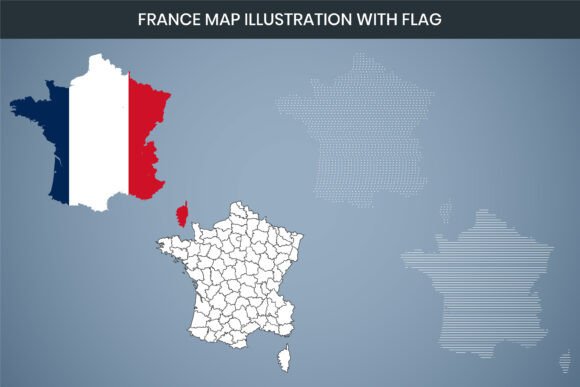
New Zealand Map Illustration with Flag for Embroidery Projects
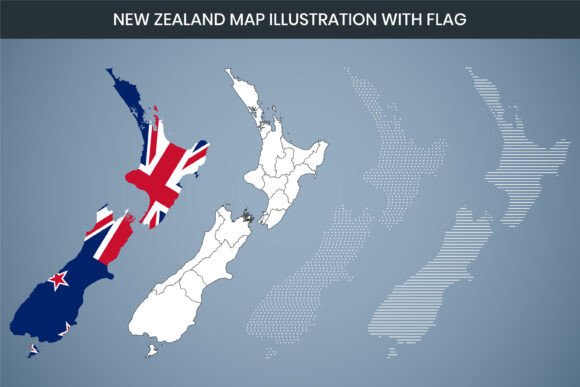
When I first opened the New Zealand Map Illustration with Flag file, I immediately pictured it stitched onto a soft cream sweatshirt. The silhouette of the landmass carries a quiet confidence, and the flag element adds just enough national pride without overwhelming the clean geography. As someone who has tested hundreds of graphics before turning them into machine embroidery design files, I know a strong silhouette matters more than intricate detail. This one has real potential.
The mood is understated and classic. The shape of the country, with its distinctive curves and coastal indentations, reads clearly even at a glance. The flag sits naturally within the composition, creating a focal point that feels balanced rather than forced. For custom apparel, handmade product collections, or personalized gift orders, this kind of straightforward visual language connects with buyers who want something meaningful without being loud.
What Makes the Map Silhouette Work as an Embroidery Candidate
Not every graphic translates well into stitches, but the New Zealand Map Illustration with Flag has several traits that make me optimistic. The outline is defined without being overly jagged, which helps when converting artwork into satin stitch borders or fill stitch interiors. I pay close attention to how the edges taper off, especially around the narrow southern tip and the intricate coastline near the North Island's upper reaches. Those thin sections can become problematic if stitch density is too high or if the design is scaled too small.
The flag portion introduces color blocking that works well for applique design approaches. Rather than relying entirely on dense fill stitches, you could use fabric applique for the flag field and stitch the star details on top. This reduces stitch count, keeps the fabric softer, and minimizes puckering on lighter fabrics. I have tried similar techniques on tote bag design projects and the results consistently look more professional than pure stitch-heavy alternatives.
Where This Design Fits Best in a Real Product Line
Last month, a client asked me to prepare a set of destination-themed embroidered patch designs for her travel-inspired boutique. She wanted pieces that felt authentic without being cartoonish. The New Zealand Map Illustration with Flag would have fit perfectly into that collection. The aesthetic is clean enough to appeal to adults buying custom apparel, yet simple enough to work on smaller items like baby embroidery pieces or nursery blankets.
I could see this stitched onto a natural linen pillow cover for a home decor line, or centered on the chest of a lightweight sweatshirt for a souvenir-style boutique product. It also works as a cap design if you keep the sizing moderate and avoid crowding the seam area. For Etsy seller shops focusing on holiday embroidery gifts, this design makes a thoughtful option for New Zealand expats or travelers who want a subtle reminder of home.
Scaling Considerations for Embroidery Projects
The source file provides a generous 3000 x 2000 pixel canvas at 300 DPI, which gives you plenty of resolution to work with during digitizing. However, resolution alone does not guarantee smooth stitching at every size. I always recommend testing the design at your intended hoop size before committing to production.
At larger dimensions, around five to seven inches wide, the coastline details hold up beautifully. You maintain enough space for clean satin stitch outlines and solid fill areas. At smaller sizes, below three inches, I would simplify certain coastal curves manually during digitizing. The narrow sections around the far south and the indentations near Auckland could blur together if stitch length is not adjusted carefully. This is not a flaw in the artwork, it is simply the reality of translating fine detail into thread on fabric.
Fabric Choices That Complement the Design
I have learned through trial and error that map designs with thin landmass extensions perform best on stable, medium-weight fabrics. Cotton canvas, twill, linen blends, and quality sweatshirt fleece all provide a solid foundation. The stabilizer choice matters just as much. For sweatshirt embroidery, I use a cut-away stabilizer behind the design area and a water-soluble topper to prevent the stitches from sinking into the fabric pile.
Thin fabrics like lightweight t-shirts or rayon blends require extra care. The tension of dense fill stitches can pull the fabric and distort the map shape. If you plan to offer this on baby clothes or lightweight tees, consider using a softer fill pattern with reduced stitch density. The design still reads clearly while remaining comfortable against the skin, which matters enormously for children's items and everyday wear.
Thread Color Decisions and Contrast
The flag element introduces red and blue accents that pop against a neutral background map. I typically stitch the landmass in a muted tone like olive green, charcoal, or warm beige, then let the flag colors provide the focal contrast. This approach keeps the stitch density manageable and avoids the heavy, plastic-like feel that can happen when large areas are filled with high-density thread.
On dark fabric backgrounds, the map silhouette needs to be light enough to stand out clearly. A cream or light gray fill works far better than white, which can look harsh under bright thread. I always test my color choices on a fabric swatch that matches the final product. Lighting in a digitizing studio versus a craft fair booth versus an online product photo can dramatically shift how thread colors appear. I also run a black-and-white preview of any stitch file to check that contrast holds up independently of color perception.
Practical Testing That Prevents Customer Complaints
Before I ever list a finished product using a design like this, I run at least three test stitches on different fabric types. One test goes on a stable woven fabric, one on a medium-weight knit, and one on whatever material the actual product uses. I check how the edges look after washing, whether the running stitch underlay keeps everything secure, and whether any small details like the flag stars remain legible.
For a recent apron project, I used a map design similar in complexity to the New Zealand Map Illustration with Flag. The first test stitch revealed that the southern tip was too narrow for the stitch width I had assigned. I adjusted the digitizing to widen that section slightly, and the final product looked crisp even after multiple washes. No customer ever notices that tiny adjustment, but they definitely notice if stitches start pulling loose after a few laundry cycles.
Using the Design for Patches, Badges, and Small Accessories
The compact nature of this illustration makes it a strong candidate for embroidered patch production. I have made patches from similar map designs by stitching the design onto felt or twill backing with a dense border stitch around the entire perimeter. The flag colors give the patch immediate visual interest, and the recognizable shape of New Zealand draws attention at craft markets.
For small shop product lines, patches offer flexibility. Buyers can attach them to jackets, backpacks, or hats without you needing to stock multiple garment sizes. The New Zealand Map Illustration with Flag works at patch dimensions between two and a half and four inches wide. Any smaller and the star detail in the flag starts to lose definition, even with fine thread.
Customer Perception and Product Value
From a selling perspective, map designs carry inherent meaning. Buyers connect emotionally with place-based imagery. A personalized gift featuring this design tells the recipient that the giver understands their connection to New Zealand. That emotional layer translates directly into perceived value and willingness to pay a premium for handmade product quality.
When I present work like this in Etsy listings or at craft fairs, I include context in the product photography. A styled flat lay with a passport, a sprig of greenery, or natural textures helps shoppers imagine the item in their own life. The design itself carries enough character to anchor the visual story without needing excessive props or complicated staging.
Licensing and Commercial Use Considerations
The product description lists the file under Graphics in the Freebies category, with fully editable file and Canva editable formats included, along with print ready PDF and PNG files. For commercial embroidery use, craft business sellers, and digital product creators, I strongly advise confirming the license terms before incorporating this into items for sale. Many freebie assets permit personal use but restrict commercial applications, while others allow full commercial use with no attribution. The file types provided suggest strong versatility across different software platforms, which reduces friction when moving between digitizing programs, mockup tools, and printing workflows.
The laser cut design designation and RGB color mode also hint at broader applications beyond embroidery. You could use the same artwork for vinyl cutting, paper crafts, or sublimation projects. That cross-compatibility increases the value for creative entrepreneurs who run multi-process production studios.
Mockup Testing and Listing Presentation
Before photographing the finished physical product, I create digital previews using the provided PNG files. This helps me evaluate placement, scale, and color balance without wasting materials. I test the design on mockups for sweatshirt embroidery, tote bag design placements, and pillow covers. Seeing the artwork layered onto product photography reveals whether the design feels proportionate and visually anchored.
For printable mockup use in Etsy listings or social media previews, the high resolution holds up well. The edges stay sharp when scaled within typical product image dimensions. I recommend showing the design on at least two different product types and fabric colors in your listing gallery. Buyers respond more confidently when they see versatility demonstrated rather than described.
Adapting for Curved and Difficult Surfaces
Not every product surface welcomes a geographically accurate shape. Caps and hats present a curved stitching field that can distort long horizontal designs. The New Zealand map shape, being elongated vertically, actually handles curved surfaces better than many rectangular designs. The flag area sits high enough that it avoids the severe curvature near the cap bill. I still recommend centering the design carefully and using proper hooping techniques for structured headwear.
For kitchen towels and tea towels with textured weaves, I reduce stitch density slightly and use a softer underlay. The looser weave can shift during stitching if the design pulls too tight. A slightly lighter fill keeps the towel flexible while maintaining legibility of the map outline and flag elements.
Final Observations from an Embroidery Reviewer
The New Zealand Map Illustration with Flag brings together simplicity, recognizability, and emotional resonance in a format that genuinely suits machine embroidery design conversion. The clean silhouette digitizes efficiently, the flag adds a purposeful color break, and the overall composition works across a practical range of hoop sizes and product types. Whether you are stitching for a boutique clothing line, preparing holiday gifts, or building inventory for your next craft fair, this design offers dependable results when handled with appropriate digitizing care.
I would not hesitate to use this for custom apparel orders, embroidered patch sets, or nursery decor pieces. Test your stitch file on scrap fabric, confirm your thread colors against the actual product material, and verify the license terms before listing finished items. With those steps taken, you will likely find this New Zealand map illustration becomes a quiet workhorse in your embroidery project library.