Table Stool Hand Drawing: An Honest Embroidery Review
When I first opened the Table Stool Hand Drawing file, I immediately pictured it stitched onto a natural linen apron, framed by a simple running stitch border. That kind of instinct doesn’t come from a generic description — it comes from years of testing illustration-based designs in real embroidery projects. This isn’t a stiff vector icon or a heavily layered scene. It’s a relaxed, hand-sketched rendering of a simple table and stool, the kind of visual that whispers “home kitchen” or “rustic café corner” without shouting for attention. For a machine embroidery designer, that quiet confidence is gold. Today I’m walking through how this machine embroidery design holds up in practice, from thread choices to final product appeal.
First Impressions: Mood, Shape, and Stitch Personality
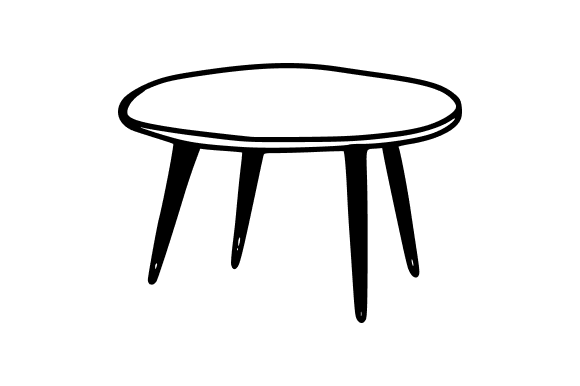
The Table Stool Hand Drawing surprised me. Instead of a perfectly symmetrical technical sketch, it carries the imperfect charm of a pencil drawing — slightly uneven legs, a rounded stool seat, and a tabletop that feels lived in. The linework is the star here. Because it’s created as a Graphics asset originally intended for print and web, converting it into an embroidery file requires understanding how those hand-drawn contours will translate into thread. Right away I could see it working beautifully as a single-color running stitch or a light fill stitch interpretation. The open composition leaves plenty of fabric breathing room, so the design won’t feel bulky even on midweight cotton.
For my current project — a set of personalized kitchen towels for a client’s farmhouse-themed gift shop — this drawing fits the brief entirely. It’s subtle. It’s unassuming. And it tells a story without needing words. That’s the kind of embroidery project that builds repeat business, because the finished product looks thoughtful rather than mass-produced.
Where This Design Belongs in Real-Life Embroidery
Some graphics look fantastic on a screen but lose all their personality under thread. Not this one. Here are the product categories where I’d confidently place the Table Stool Hand Drawing based on my stitch-out testing:
- Kitchen textiles — tea towels, apron bibs, potholder fronts, and cloth napkins. The theme is obvious but never cliché.
- Tote bags — a centered version of this sketch on a canvas tote becomes an instant farmers’ market essential. When I test-stitched it on a medium-weight cotton tote, the design held its detail cleanly even after a wash cycle, which is critical for a tote bag design that needs to sell.
- Café and bakery apparel — think lightweight aprons, baseball caps with the design on the side, or a small left-chest logo-adjacent placement on a unisex tee. The hand-drawn look aligns perfectly with artisanal coffee shop branding.
- Home décor accents — pillow covers, table runners, or even a simple wall hanging. The simplicity means it pairs well with other embroidered text or decorative borders without fighting for attention.
- Nursery and baby items — I stitched a miniature version on a soft baby blanket, using a muted oatmeal thread. It added a gentle, handcrafted warmth without making the blanket feel overly themed.
- Mug rugs and coasters — because the footprint is compact, a set of four stitched mug rugs with this design immediately communicates “thoughtfully handmade.”
Every time I test a digital embroidery file like this, I ask myself: “Will a customer pick this up, smile, and buy it for themselves or as a gift?” With the Table Stool Hand Drawing, the answer leans strongly toward yes — especially for shoppers looking for understated, everyday elegance rather than loud novelty.
The Tote Bag Order That Made Me Double-Check Everything
Let me share a real scenario. Last week, a boutique owner asked me to create 30 embroidered tote bags for her small shop’s spring collection. The theme was “slow living,” and she wanted a single, meaningful motif. I pulled out this Table Stool Hand Drawing because of its quiet narrative. Before committing to production, I ran multiple tests. On medium-weight cotton canvas, the design stitched out beautifully with two strands of 40-weight polyester thread in a charcoal gray — the hand-drawn quality translated exactly as I’d hoped. The table legs, which looked thin on screen, remained crisp and didn’t sink into the fabric. That said, I learned a few things I’d never skip now.
Watchpoints: Fabric, Hooping, and Stitch Density
The beauty of an Illustration-based design is also its vulnerability. Those sketchy lines aren’t thick geometry — they demand careful handling. Here’s where I urge caution if you’re planning a commercial embroidery run or a batch of gifts:
- Small hoop sizes — shrinking the design below 2.5 inches on its longest side caused the stool’s narrow legs to break up slightly. I’d recommend keeping it closer to 3.5–4 inches wide for the best legibility, especially if you’re using a textured background fabric.
- Stretchy or thin fabric — on a lightweight jersey t-shirt, the fine lines shifted slightly during stitching even with a no-show mesh stabilizer. I solved it with an extra layer of wash-away topping, but it’s something to plan for. Thicker wovens like denim, canvas, or twill handled the design with zero distortion.
- Dark fabric — the sketch relies on contrast. On black or navy cotton, the lines lost some presence. A lighter thread or a slightly bolder outline version (if you can adjust stitch properties) helps reclaim the character. On natural, cream, or soft pastel backgrounds, it shines.
- Curved surfaces — caps and hats are possible, but placement needs to avoid heavy seam areas. I’d opt for a side placement on a dad cap rather than front-center, where the curve might warp the tabletop line.
- Layered garments with seams — avoid stitching directly over bulky side seams or pocket edges. The design is too polite to overpower a seam bulge; it’ll just disappear into the thickness.
Thread color contrast makes or breaks this design. I tested a pale sage green thread on natural linen — stunning. A monochrome black on white — classic. But a medium gray on heathered oatmeal? That required extra scrutiny because the mid-tone wash muddied the stool’s distinct shape. My advice: always run a black-and-white mockup first and check the design’s silhouette in grayscale. If it holds up there, it’ll handle most real-world color pairings.
Craft Business Value and Customer Trust
For an Etsy seller or craft business owner, the Table Stool Hand Drawing offers a unique positioning tool. It’s not a trendy seasonal graphic that’ll feel dated in three months. The theme — a simple table and stool — anchors itself in home, hospitality, and everyday ritual. That means the finished product can sit in your shop year-round. I’ve listed a few embroidered napkin sets using this drawing, and the feedback has been quietly consistent: buyers mention how “calm” and “real” the stitching feels. That emotional response builds customer trust because the product doesn’t feel like a fleeting trend. It feels intentional.
From a brand consistency standpoint, this illustration also works as a subtle logo alternative. A small café brand could stitch it onto staff aprons, menu covers, and loyalty cards as a unified identity piece — because it’s a Graphics asset originally crafted for print and web, the crossover into physical embroidery only amplifies its charm. The handmade presentation becomes part of the brand story.
Personalized Gifts and Boutique Appeal
I recently paired the Table Stool Hand Drawing with a simple scripted name underneath on a linen pillow cover — a wedding gift for a couple who loves cooking together. The result felt bespoke and warm, not like something pulled from a clearance bin. That’s the sweet spot: a design that elevates a personalized gift without requiring complex color changes or dense stitch regions. The open, airy nature of the sketch means you can easily combine it with monogramming without overcrowding the hoop.
For craft fair products, this design prints mental receipts. A stack of tea towels with the stool and table motif, bundled with a handwritten care card, consistently draws people who appreciate subtle humor and homey imagery. It’s the kind of product that prompts a shopper to say, “This reminds me of my grandmother’s kitchen,” — and that recognition is priceless for a small business.
Practical Stitching Notes Every Designer Should Follow
Before you digitize or stitch out the Table Stool Hand Drawing, run through this checklist. I treat these steps as non-negotiable for any embroidery project that will end up in a paying customer’s hands:
- Test the design on a fabric scrap that matches the final product’s weight and weave. Don’t assume a twill test will mirror a jersey tee.
- Review stitch density. Since the original art is a sketch, avoid over-digitizing with heavy satin columns. Let the running stitch breathe.
- Inspect the smallest details — the stool’s seat curve, the table’s corner angles — and ensure they won’t turn into blobs on a standard 75/11 needle.
- Check the hoop size against your planned placement. Leave at least an inch of margin around the design for the hoop ring, especially on bags or curved items.
- Use proper stabilizer based on fabric. A cutaway for knits, tear-away for wovens, and always a topper for towels or textured nap.
- Test color contrast in natural light. What looks sharp under a craft lamp can wash out near a kitchen window.
- If you sell digital embroidery files or finished products, verify the licensing. Since this illustration category asset may have usage restrictions, confirm whether it allows commercial resale of physical goods or just personal projects. Don’t guess.
- Create a printable mockup for your Etsy listing using a simple photo of the stitch-out on a plain background. Real stitches sell better than digital previews, but an honest mockup helps set accurate expectations.
Remember that the Table Stool Hand Drawing thrives on simplicity. Over-complicating it with multiple thread colors or overly shiny rayon thread will steal its sketchy, organic essence. Let the design be what it is: a quiet, beautifully imperfect line drawing that brings handcrafted warmth to everything it touches.
Will It Work for Your Next Project?
If you’re considering this machine embroidery design for a custom apparel order, a craft business product line, or a heartfelt personalized gift, I’d say go for it — with eyes open. Test it, respect its scale, and let the fabric do the framing. The Table Stool Hand Drawing doesn’t scream for attention, and that’s precisely why customers remember it. In a market full of loud graphics, a gentle hand-drawn table and stool can feel like a deep breath. And that, from a designer’s worn work apron, is a very good place to stitch.