Building Architecture Icon Embroidery Design Review
First Look: Structural, Confident, and Surprisingly Versatile
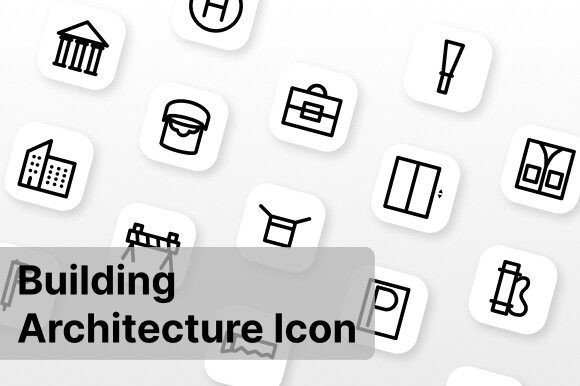
When the Building Architecture Icon set landed on my review desk, I immediately felt that clean, organized energy that only well-structured vector work can bring. This is not a single drawing. It is a pack of 45 building and architecture-themed icons—straight lines, recognizable silhouettes, familiar urban shapes, and just enough detail to read clearly without turning into visual noise. For an embroidery designer, the first question is always: will this breathe once thread hits fabric? My honest first thought was yes, but with the right selection and a real understanding of stitch behavior.
These icons feel modern and professional. They carry a quiet confidence that says city life, construction, home, real estate, or minimalist urban decor. From classic building profiles to refined architectural symbols, the collection gives you a solid vocabulary to work with. As a craft business owner, I could instantly picture these on handmade totes, crisp linen pillows, and even small embroidered patches destined for caps or zip pouches. The mood is practical and aspirational—exactly what many small shop customers look for in a personalized gift that feels both personal and polished.
Translating Sharp Vectors into Soft Thread
Here is the important part for my fellow embroidery designers and machine owners: Building Architecture Icon is a graphics pack. It is not a ready-to-stitch embroidery file. That means you will need to digitize the icons yourself or work with a digitizer. Now, many crafters hear “digitize” and get nervous, but the clean, geometric nature of these icons makes the process surprisingly smooth. When you break down the shapes, you are dealing primarily with straight lines, gentle corners, and open areas that welcome satin stitch and fill stitch beautifully.
I would approach digitizing a selected icon with a combination of satin stitch for outlines and key architectural details, and a light fill stitch for any solid shapes that need presence without overwhelming the fabric. Because the original vector artwork is crisp, your stitch points will align neatly, giving you that professional edge that makes a finished product look premium. The design translates like a dream into small to medium hoop sizes, especially if you pick one of the less intricate silhouettes. You will want to watch stitch density here—too heavy, and those sharp corners can start to feel bulky on lighter fabrics. A good rule of thumb: test on a scrap of cotton twill or canvas first, using a medium-weight cutaway stabilizer. It will tell you everything you need about pull compensation and how the thread settles into those architectural lines.
A Real Project Walk-Through: The Architect’s Tote
Let me share a realistic scenario where Building Architecture Icon truly earned its place in my stitching lineup. A repeat customer who runs a boutique real estate agency reached out for a closing gift—five linen tote bags, each with a subtle yet distinct embroidered building motif. She wanted something that felt high-end, understated, and tied to the idea of home. I pulled up this icon set and selected four simple building silhouettes and one construction blueprint icon. Each design digitized cleanly within a 4×4 hoop, leaving plenty of room for a small personalized date or initials underneath.
On natural linen, with a muted charcoal thread, the stitched icons looked like tiny architectural sketches. The satin stitch outlines held crisp edges, and the low stitch count meant the fabric remained soft and wearable. Her clients adored them. One even posted a photo on social media, which led to two more custom orders. That is the hidden value of a design like this: it turns a simple handmade product into a storytelling piece. The Building Architecture Icon set gave me enough variety that no two totes felt repetitive, yet the collection held a clear visual theme. For an Etsy seller or craft fair vendor, that kind of cohesive branding is pure gold.
Where This Design Truly Belongs
After stitching out several icons on different products, I can confidently say Building Architecture Icon fits a wide range of embroidery projects that serve both personal and small business needs. The key is choosing the right icon for the right surface. Here is where I would use these without hesitation:
- Tote bags and canvas pouches: The minimalist icons read beautifully on structured cotton and linen, adding a modern edge without competing with the fabric texture.
- Sweatshirts and t-shirts: A small architectural icon on the left chest or worn as a subtle back-neck detail feels intentional and trendy. Think architectural office merch or creative studio apparel.
- Kitchen towels and aprons: One of the home or building icons stitched in a single thread color on a flour sack towel makes a charming housewarming gift, especially when paired with a loop for hanging.
- Baby and nursery items: Yes, architecture! A soft skyline or simple house silhouette on a baby blanket or burp cloth feels fresh and gender-neutral—a welcome change from the typical animal motifs.
- Embroidered patches and caps: Choose the boldest, simplest silhouettes for patch making. Use a tight satin stitch edge and a sturdy backing, and suddenly you have a patch that construction teams, engineering students, or city enthusiasts would love on a hat or jacket.
- Holiday gifts and personalized home decor: An embroidered pillow cover featuring a clean architectural line drawing can be a thoughtful wedding gift or anniversary present, especially for couples who met in a special city.
What I appreciate most is the flexibility. You are not locked into one aesthetic. You can go full modern minimalist or lean slightly playful depending on thread color and fabric choice. For digital product sellers, these icons also work wonderfully as printable mockup elements, helping you create cohesive branding across your embroidery listings and social media without any stitching at all. Just remember to check the license for commercial use, especially if you plan to sell finished goods featuring the digitized design or use the graphics in your shop’s promotional materials.
Handling the Tricky Bits: Small Hoops, Textured Fabrics, and Curved Surfaces
I would never give a review without the honest cautions. While Building Architecture Icon is well-structured, not every icon in the set will work seamlessly on every product. Some designs include finer details—tiny windows, thin spires, narrow gaps—that can close up or lose definition once stitches are laid. Here is what you need to consider before committing a project to your embroidery machine:
- Small hoop sizes: If you are pushing an icon below 2 inches in height, simplify aggressively. Remove interior details that might blob together. A clean silhouette often reads better than a muddled complex one.
- Textured fabrics like terry cloth or thick fleece: Those sharp lines will sink and soften. Consider using a water-soluble topper to keep the surface crisp, and pick icons with bolder, simpler shapes.
- Stretchy and thin fabrics: Always use a proper cutaway stabilizer, and avoid heavy fill stitch on delicate knits. A running stitch or light satin outline might be a better choice for baby onesies or thin jersey.
- Dark fabrics: Test thread color contrast extensively. A charcoal grey icon on black canvas may disappear, while a bright golden thread on navy can look exceptionally high-end. Mock up digitally first if possible, but always do a physical stitch-out.
- Curved surfaces like caps: Architecture icons rely on straight lines, which can distort when curved. Choose a center placement on structured caps, and digitize with slight adjustments to compensate for the cap’s arc.
I also want to stress that these icons are primarily outlines and open spaces, which means stitch counts stay reasonable. You will avoid that stiff, bulletproof feel that heavy designs can create. However, the trade-off is that some may feel too light on darker or heavily patterned fabrics. My advice is to test the design in black and white on a screen first—strip away color and see if the silhouette still tells the story. That quick check will save you from stitching a design that loses its identity on a busy background.
Practical Embroidery Designer Notes
Before you stitch or list any finished product featuring Building Architecture Icon, here are the no-nonsense steps I follow and strongly recommend:
- Check the license. This is a graphics pack, so confirm whether the included license allows you to create and sell digitized embroidery items commercially. If the terms are not clearly stated, reach out to the provider. Trust me, protecting your craft business is not optional.
- Digitize with intention. Use a satin stitch for outlines that need definition, and fill stitches sparingly. Keep pull compensation moderate, and always run a test stitch on the same fabric and stabilizer combination you plan to use in your final project.
- Thread color matters. An architectural icon in silver thread on linen looks elegant and architectural. That same design in neon pink becomes playful street style. Think about the personality you want for your handmade product before you choose.
- Stabilizer is non-negotiable. For most fabric types, a medium-weight cutaway stabilizer delivers the clean result you want. On towels or napped fabrics, add a wash-away topper. On caps, use a strong adhesive backing and hoop carefully.
- Test in real washing conditions. If your product is a tea towel, baby bib, or pillow cover that will face frequent laundering, wash your test sample at least three times. Watch for thread loosening or distortion around fine architectural details. Adjust stitch settings as needed.
- Simplify for small formats. If you are creating a patch smaller than three inches, do not be afraid to remove internal windows or door lines. A simple silhouette often communicates “architecture” instantly and stitches more cleanly.
- Use mockups for listings. The original vector icons make excellent digital previews. Place them on photos of blank tote bags or sweatshirts to create realistic Etsy seller listing images that build buyer confidence before you even hoop the fabric.
- Respect the original design’s intent. These are architectural icons; they shine when they remain crisp and uncluttered. Adding heavy decorative elements or thick borders can quickly make them look clunky. Keep the edits minimal.
How It Elevates Your Small Shop and Customer Trust
There is a distinct kind of professionalism that comes from using well-designed source material. When your custom apparel or home decor pieces carry a clean, recognizable architectural motif, customers perceive higher value. A thoughtfully stitched building silhouette on a sweatshirt or an embroidered skyline on a pillow cover tells the buyer that you care about design integrity. It stops being “just a craft” and starts being a boutique product.
For creative entrepreneurs who sell at craft fairs or through online marketplaces, the Building Architecture Icon collection offers a way to create mini collections. Imagine releasing a “City Lover” series: one tote with a bridge icon, one with a museum outline, a cap with a construction symbol, and a set of kitchen towels with tiny house motifs. The visual consistency ties your booth together and makes your brand memorable. Customers who connect with the architecture theme often become repeat buyers because they feel you are speaking their language.
Another understated advantage is giftability. A personalized gift stitched with a meaningful architectural icon—a home, a landmark, an office building—holds more emotional weight than generic clip art. I have seen a simple embroidered house icon on a linen pillow become a cherished wedding gift. The clean lines of these vectors give your stitching a sophistication that generic novelty designs rarely achieve. In a market where buyers scroll quickly, that distinguishes your work immediately.
Final Verdict from the Embroidery Hoop
As a reviewer who cares deeply about how a design actually performs once the machine starts humming, I give Building Architecture Icon a strong recommendation—with the clear note that it requires a designer’s eye and a digitizer’s patience. It is not a press-and-stitch solution. It is a creative building block. The collection’s 45 options provide enormous variety while keeping the theme tightly cohesive. When you choose the right icon, simplify correctly, and pair it with thoughtful fabric and thread choices, the result is a stitched piece that feels architecturally sound, visually refined, and undeniably professional.
Whether you are making a custom sweatshirt for a city planner, a patch for a builder’s cap, a baby quilt with a skyline border, or a kitchen towel set for a real estate closing gift, this design set earns its place in your embroidery software library. Test it first. Trust your stitch-out. And let those clean, confident lines speak for themselves on every handmade product you create.